//

Wedding
The Complete Guide to the Chuppah: Meaning, Traditions & Practical Tips
Everything you need to know about the Chuppah – from ancient symbols to modern trends, with practical tips for planning the perfect ceremony canopy.
1What is the Chuppah? History & Meaning
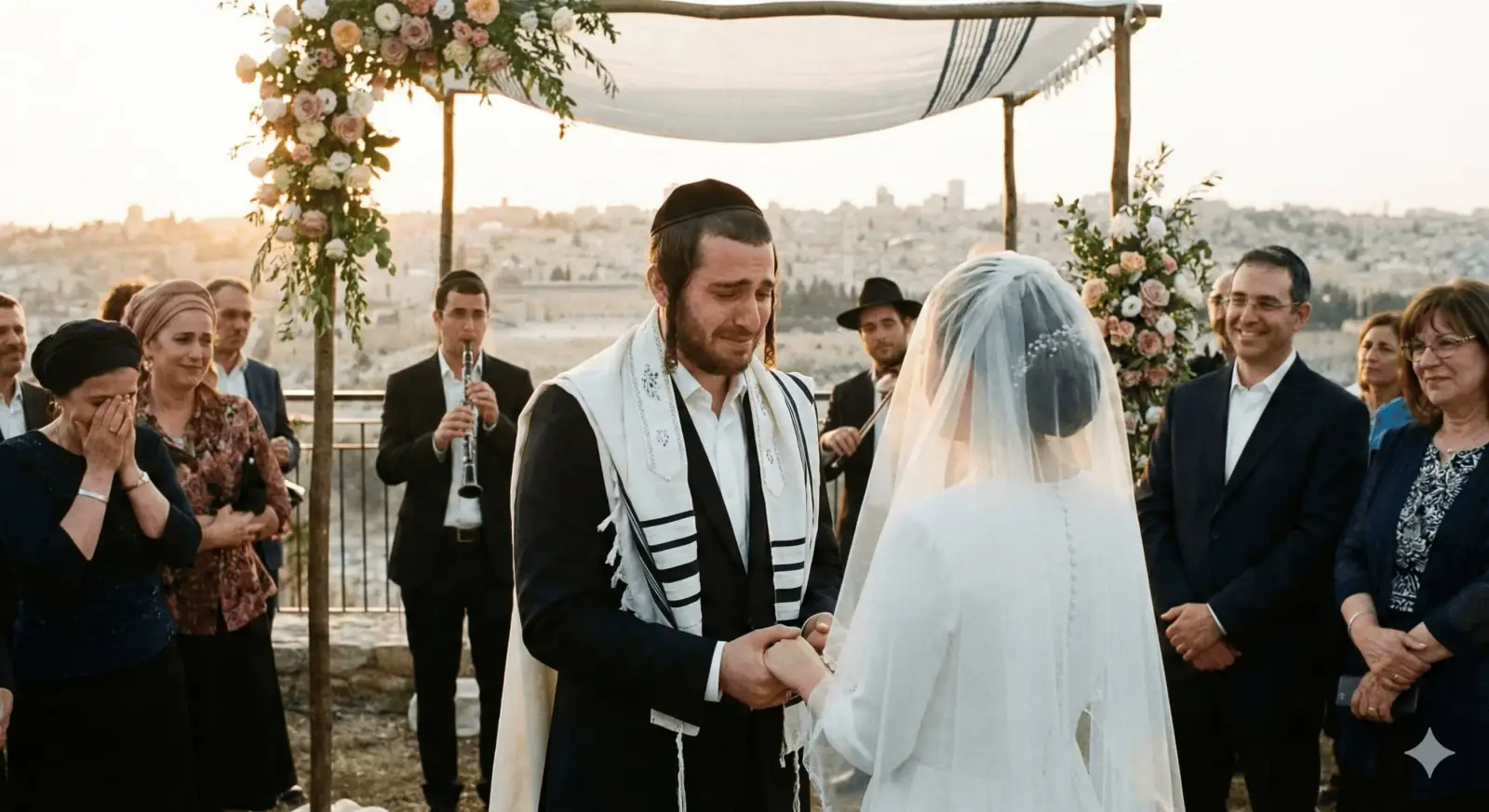
The Chuppah is one of the most central and moving symbols of the Jewish wedding ceremony. It symbolizes the new home the couple builds together – an open, protected, and loving home.
3,000+
Years of Tradition
4
Symbolic Pillars
7
Traditional Blessings
The word "Chuppah" is mentioned in the Bible (Joel 2:16) and describes a room or covering under which the couple is sanctified. Over generations, the Chuppah evolved from a closed room to a cloth spread over four poles, as we know it today.
Did you know?
Traditionally, the Chuppah ceremony was held under the open sky as a symbol of the blessing "as numerous as the stars of heaven." This custom is preserved in many events today.
2The Four Pillars: Symbols & Meanings
The four pillars of the Chuppah symbolize the foundations of the Jewish home and the values upon which it is built.
Like Abraham's tent that was open to all four winds, the Chuppah symbolizes a home whose doors are open to all.
3Steps of the Ceremony Under the Chuppah
The Chuppah ceremony consists of several defined stages, each with deep meaning.
1
Welcome & Entrance
The groom and bride arrive escorted by their parents. Usually, the groom enters first and waits for the bride. The bride's grand entrance is one of the most photographed moments.
2
Circling (Hakafot)
The bride circles the groom – 7 times in Ashkenazi tradition, 3 times in Sephardi tradition. This symbolizes creating a shared world around one's partner.
3
Blessing of Betrothal
The rabbi blesses over wine and reads the betrothal blessing. The groom recites the sanctification formula and places the ring on the bride's finger.
4
Reading the Ketubah
The Ketubah (marriage contract) is read before the audience. This ancient Aramaic document details the groom's obligations to the bride. Today, many couples design artistic Ketubot.
5
Seven Blessings & Breaking the Glass
Seven blessings are recited over a second cup of wine, the couple drinks, and then the groom breaks the glass with his foot – an ancient custom remembering the Temple's destruction. The crowd shouts "Mazel Tov!" and the celebration begins!
4Types of Chuppah: From Traditional to Modern
There is a wide variety of Chuppah styles, each suited to a different atmosphere.
Classic-Traditional
A tallit on four poles. Simple, moving, and full of meaning. Common in religious events.
Floral-Romantic
Decorated with fresh flower garlands, greens, and woven leaves. Very popular for garden and outdoor events.
Modern-Minimalist
Geometric structure of wood, metal, or acrylic. Clean lines and impressive contemporary design.
Family-Historical
A family tallit passed down through generations. Immense emotional value and adds personal meaning.
2026 Trend
"Mix" Chuppahs that combine a traditional tallit with a modern frame and floral decoration – blending tradition with contemporary for a stunning result.
5Who Stands Under the Chuppah?
The standing arrangement under the Chuppah is organized and meaningful. Here is the complete guide.
Important Tip
Coordinate in advance with the rabbi and photographer regarding the standing order and special moments. A short rehearsal before the ceremony prevents awkwardness and ensures perfect photos.
6Seven Blessings: The Meaning Behind Each
The Seven Blessings (Sheva Brachot) are the climax of the ceremony and constitute the halachic heart of a Jewish wedding.
1
Borei Pri HaGafen
Blessing over wine – symbol of joy and abundance
2
SheHakol Bara Lichvodo
Thanksgiving for all creation made for God's glory
3
Yotzer HaAdam
Blessing on the creation of mankind in God's image
4
Asher Yatzar Et HaAdam
On eternal building and the ability to bring forth generations
5
Sos Tasis
Prayer for Jerusalem's joy and the ingathering of exiles
6
Sameach Tesamach
Direct blessing to the couple – may they rejoice as in the Garden of Eden
7
Asher Bara Sasson V'Simcha
The concluding blessing – 10 types of joy, bride and groom, Jerusalem
A common custom is to honor 7 different people with the blessings – grandparents, uncles, close friends. It's a moving way to involve meaningful people in the ceremony.
7Budget & Costs: How Much Does a Chuppah Cost?
The cost of the Chuppah itself is a small part of the total budget, but there are several things to plan ahead.
1
Chuppah Structure
1,500-5,000 NIS rental. Luxury floral can reach 8,000+ NIS
2
Floral Design
1,500-6,000 NIS. Depends on seasonality and flower quantity.
3
Officiating Rabbi
1,000-3,500 NIS. Rabbinate rabbi costs less, well-known private rabbi more.
4
Artistic Ketubah
300-2,000 NIS. From standard to a designed art piece.
5
Sound System
800-2,500 NIS for amplification and microphone for the ceremony.
6
Lighting
1,000-4,000 NIS. Essential for evening ceremonies – creates a magical atmosphere.
6,000-20,000 NIS
Price range for a complete Chuppah including all components
Find all your providers on MazalDay
Easily search for florists, rabbis & officiants, event designers, photographers and more – everything you need for the perfect Chuppah, in one place and completely free!
8Practical Tips for the Perfect Chuppah
After planning everything, here are the tips that will make the difference on the day itself.
Do a Rehearsal
Even a short 15-minute rehearsal with the rabbi, photographer, and family saves stress and embarrassment on the event day.
Consider the Weather
For outdoor ceremonies – prepare a Plan B! Retractable roof, emergency tent, or alternative location. Sunset? Coordinate perfect timing for photography.
Prepare the Seven Blessings List
Choose in advance who blesses each blessing. Prepare the printed text and update the blessers. Assign each person a clear blessing number.
Ensure Quality Sound
Nothing is more frustrating than guests who can't hear the ceremony. Invest in good amplification, especially for outdoor events.
Prepare the Glass in Advance
The glass for breaking should be wrapped in a napkin or cloth bag. Make sure it's placed in an accessible spot. Sounds simple but often forgotten!
The Most Moving Moment of Your Life
In the end, beyond all the logistics, the Chuppah is the moment you commit to each other. Enjoy every second – everything around you fades, and only the two of you exist.
Mazel Tov to the Happy Couple!
Ready to Find Your Vendors?
Explore our directory of quality event professionals
You Might Also Like
Discover more articles to inspire your planning

The Complete Guide to Choosing Catering for Your Event in Israel
In Israel, food is the beating heart of every celebration. Discover all the keys to navigating flavors, kosher certifications, and local logistics.
12 min read

The Ultimate Wedding Checklist: 12 Months of Stress-Free Planning
Everything you need to know to plan your dream wedding, month by month. Tips, timelines, and expert secrets for a flawless celebration.
12 min read