//

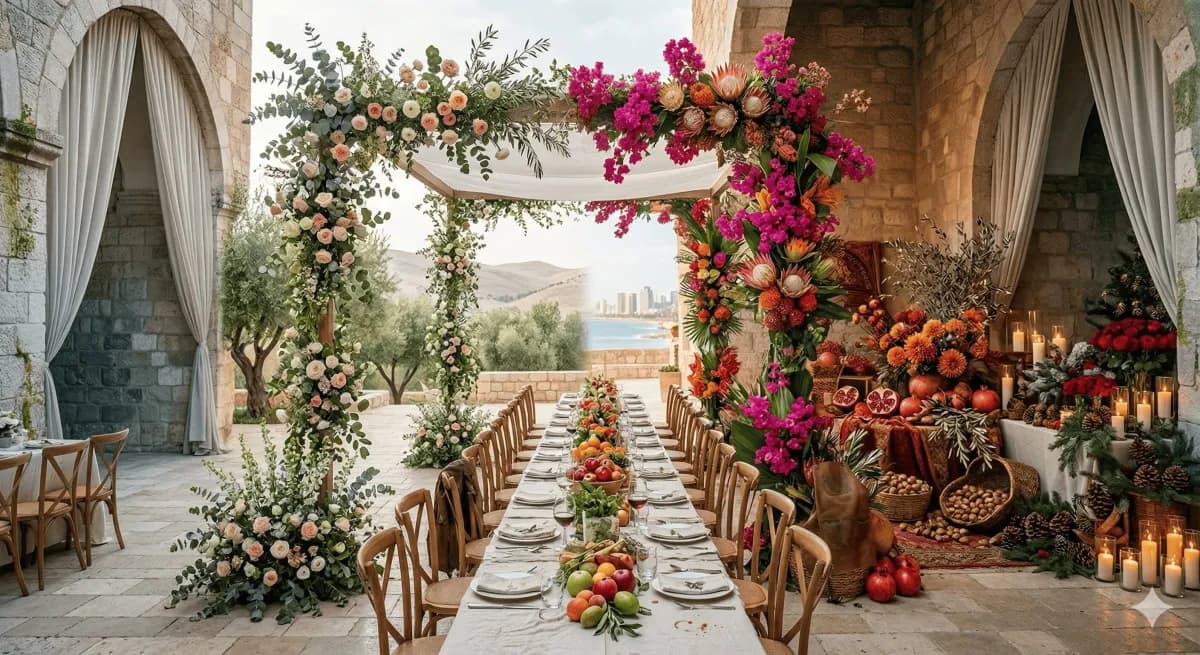
Inspiration
Wedding Floral Decoration in Israel: Complete Seasonal Guide
Which flowers to choose for your wedding in Israel by season? From winter anemones to summer bougainvillea, discover local flowers, 2026 trends, prices in shekels, and our tips for a memorable floral decoration adapted to the Mediterranean climate.
1Why the Season Changes Everything for Your Wedding Flowers in Israel
In Israel, the Mediterranean climate creates a unique floral calendar that profoundly influences the choice, availability, and price of flowers for your wedding. Unlike Western Europe where seasons transition gradually, Israel has marked contrasts: scorching, dry summers and mild, rainy winters that completely shift what grows and when.
40-60%
savings by choosing seasonal flowers
300+
flower varieties grown locally in Israel
5-10%
of total wedding budget for flowers
The Israeli flower market is centered around wholesale markets, particularly the Tel Aviv Flower Market (Shuk HaPrakhim) and the distribution centers near Lod and Ashkelon. Prices fluctuate significantly by season, with wedding-peak months (May-June, September-October) driving up demand and costs by 20-30%.
2Spring (March-May): The Mediterranean Floral Explosion
Spring is unquestionably the queen season for flower-filled weddings in Israel. After the winter rains, the country is covered with a spectacular carpet of wildflowers, and the wholesale markets overflow with fresh varieties at very competitive prices.
Best
season for variety and freshness
18-28°C
ideal spring temperatures
-30%
lower prices than summer
Spring bouquet tip: Combine anemones, ranunculus, and garden roses with local greenery (olive branches, eucalyptus) for a stunning seasonal bouquet that's both beautiful and budget-friendly. Average bridal bouquet budget in spring: 400-800 ₪.
Looking for Decoration & Flowers for your event?
Browse Decoration & Flowers3Summer (June-September): Defying the Heat with Elegance
The Israeli summer poses a major challenge for floral decoration: temperatures regularly exceeding 35°C, dry air, and endless days. Yet it's also a very popular season for weddings, especially in the evening when the breeze provides welcome relief.
35°C+
temperatures to plan for
2-3h
max flower setup time before event
+20%
summer price premium
Summer survival tip: Ask your florist to deliver and set up arrangements as late as possible — ideally 2-3 hours before the event. Request water tubes on individual stems, and consider misting systems for the Chuppah area. Indoor air conditioning is your flowers' best friend.
4Fall and Winter: The Magic of Cool Season Flowers
The Israeli fall (October-November) offers welcome relief after the scorching summer. The first rains bring freshness and with it, new blooms. Winter (December-February) is paradoxically one of the best seasons for flowers in Israel, with stunning availability, lower prices, and ideal conditions for delicate blooms.
-25%
winter prices vs. summer
12-20°C
ideal temperatures for flowers
48h+
flower lifespan in cool weather
Winter wedding advantage: Cool temperatures mean your flowers will last much longer — arrangements set up in the morning will still look fresh at midnight. This also means you can be more ambitious with delicate flowers that would wilt in summer.
5The Floral Chuppah: Trends and Styles for Your Ceremony
The Chuppah (the wedding canopy under which the Jewish ceremony takes place) is probably the most photographed and symbolically significant floral element of the entire wedding. In 2026, Israeli florists are pushing the boundaries of creativity to create breathtaking structures.
N°1
most photographed wedding element
6,000₪
average floral Chuppah budget
Reuse
Chuppah flowers repurposed for reception
Budget tip: Ask your florist to design the Chuppah so the flowers can be repurposed at the reception — moved to the head table, entrance, or photo area. This can save 20-30% on total floral budget.
62026 Trends: Floral Installations, Sculptural Arches & Immersive Centerpieces
In 2026, wedding floral decoration transcends the simple arrangement in a vase. Israeli florists, influenced by international trends and empowered by their Mediterranean creativity, are offering artistic installations that transform reception spaces into living gardens.
Israeli florists are also embracing color-blocked arrangements (single-color impact), edible flower garnishes that connect the floral design to the culinary experience, and scented gardens where jasmine, lavender, and herbs create multi-sensory environments.
7Dried, Preserved & Sustainable Flower Alternatives: A Practical Guide
Sustainability is no longer just a marketing argument: in 2026, it has become a major selection criterion for environmentally conscious Israeli couples. Wedding flowers represent a significant ecological impact — international transport, water consumption, pesticides — and more and more couples are seeking responsible alternatives.
35%
of Israeli couples include sustainable elements
0%
waste with potted plant centerpieces
Forever
lifespan of dried/preserved flowers
Pro tip: The best approach is often a mix of fresh and dried — fresh flowers for the bouquet and Chuppah (where scent and texture matter most), dried and greenery for table decor and room installations (where quantity and longevity matter more).
8How to Choose Your Wedding Florist in Israel: The Definitive Guide
Choosing your florist is one of the most impactful decisions for your wedding. A good florist doesn't just deliver flowers: they translate your vision into reality, adapt to your budget, manage logistics on the big day, and solve last-minute problems with creative solutions.
To find the perfect florist for your wedding in Israel, explore our directory of floral professionals on MazalDay. Filter by region, style, and budget, read verified reviews, and contact florists directly to request quotes and discuss your vision.
Ready to Find Your Vendors?
Discover our selection of Decoration & Flowers for your event
You Might Also Like
Discover more articles to inspire your planning
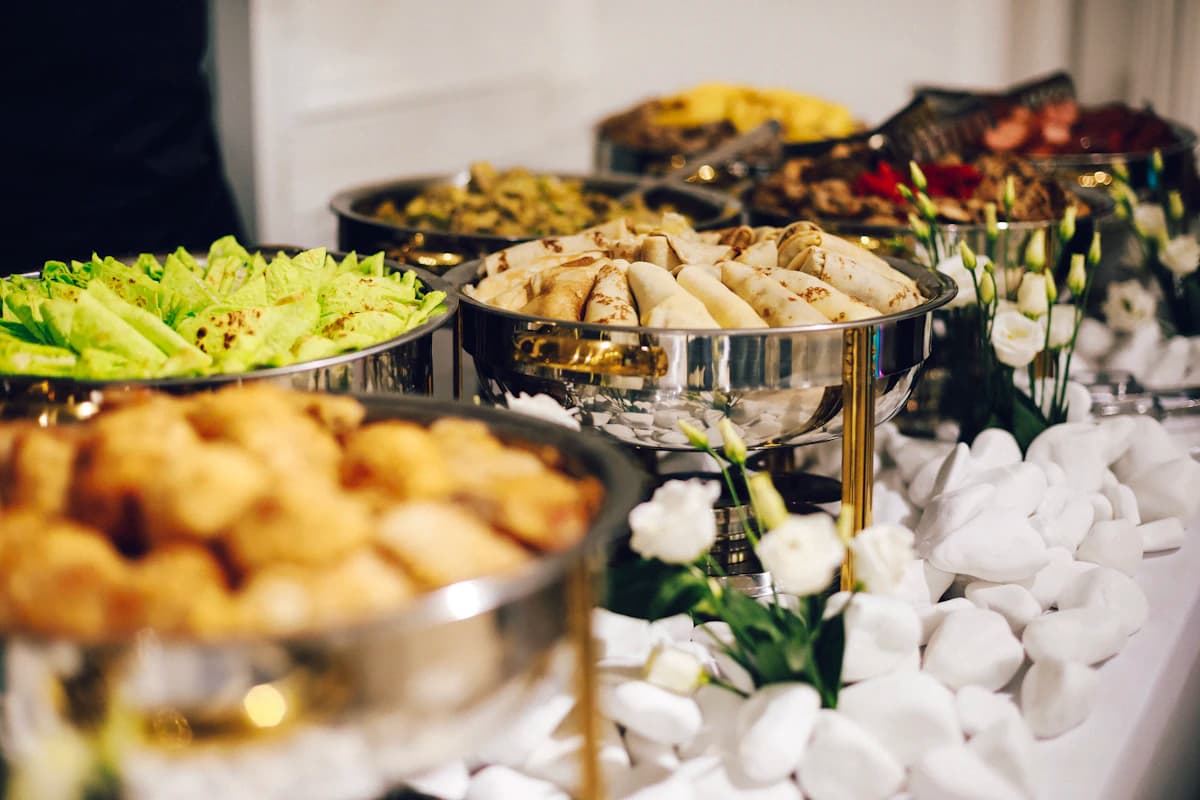
The Complete Guide to Choosing Catering for Your Event in Israel
In Israel, food is the beating heart of every celebration. Discover all the keys to navigating flavors, kosher certifications, and local logistics.
12 min read
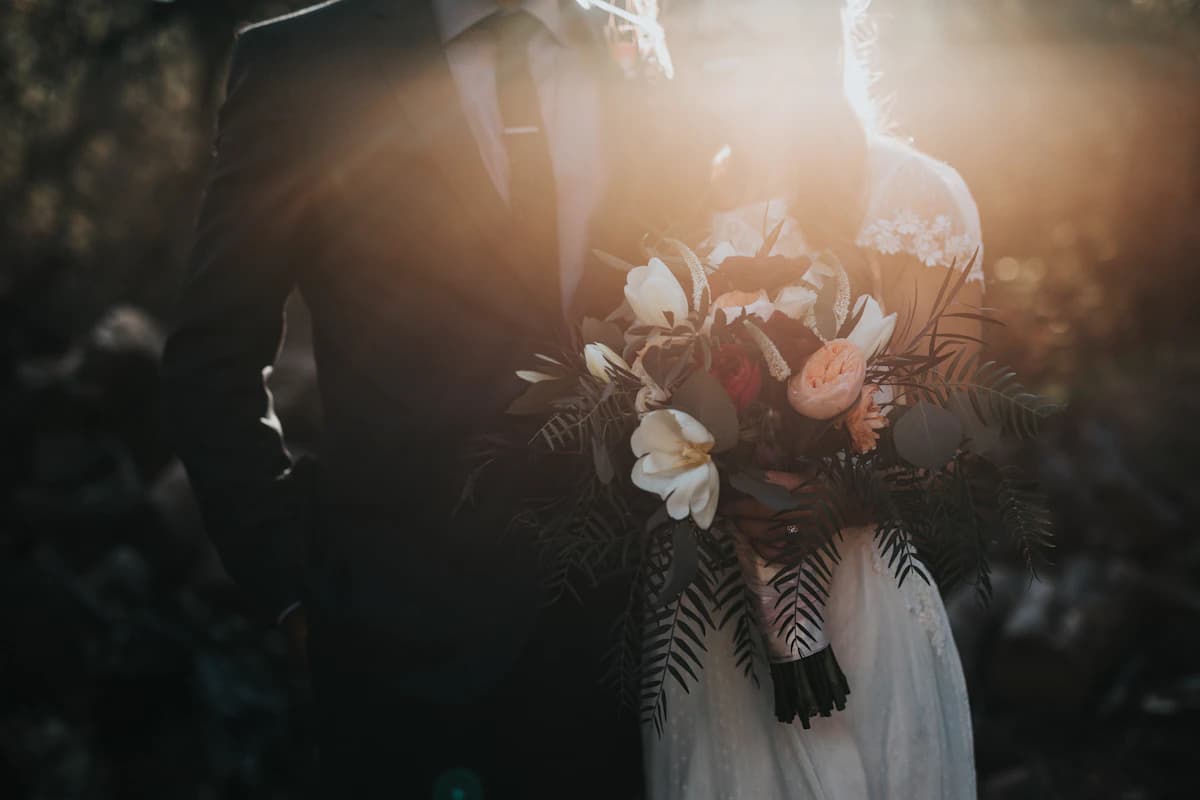
The Ultimate Wedding Checklist: 12 Months of Stress-Free Planning
Everything you need to know to plan your dream wedding, month by month. Tips, timelines, and expert secrets for a flawless celebration.
12 min read