
VerifiedTravels to you
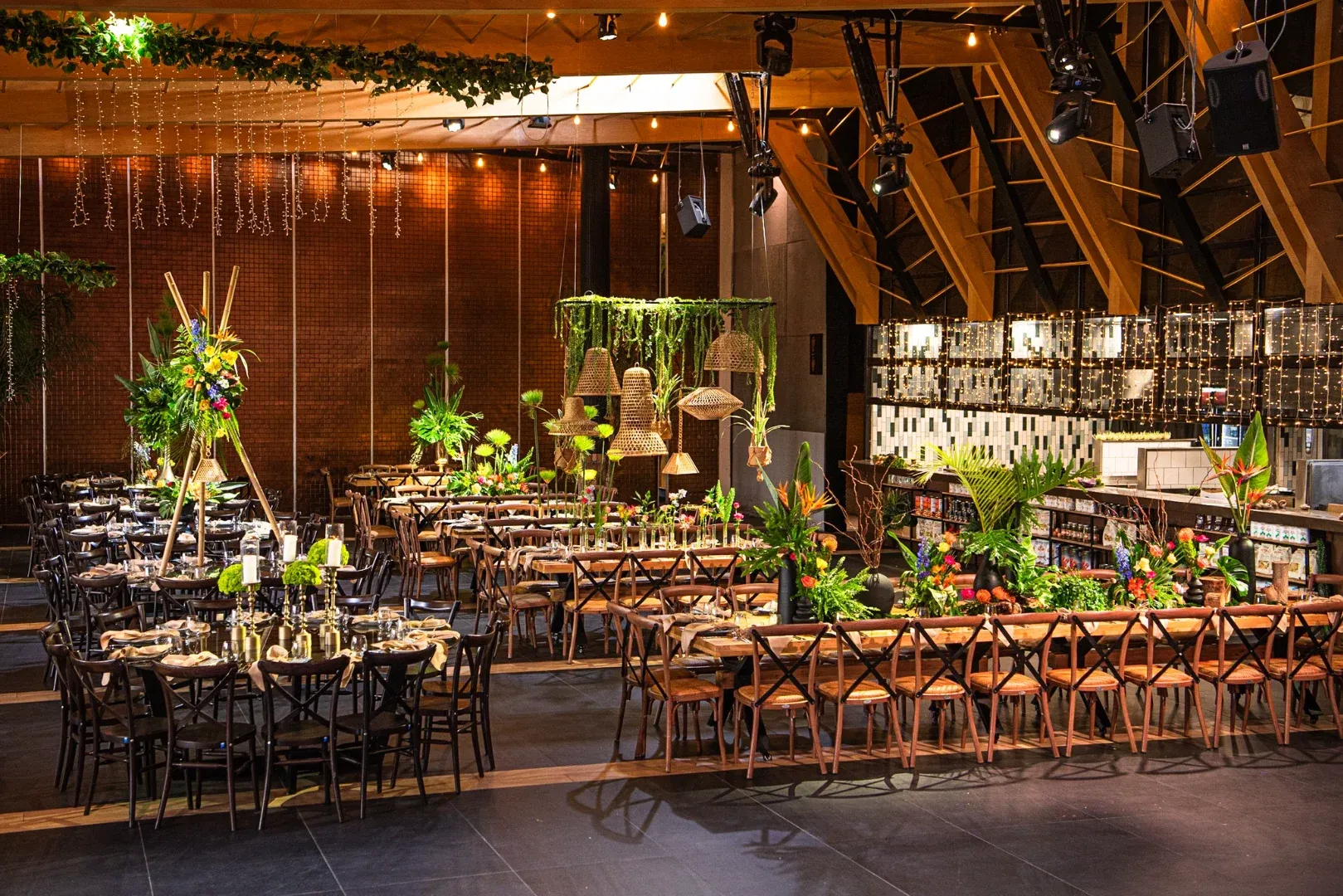
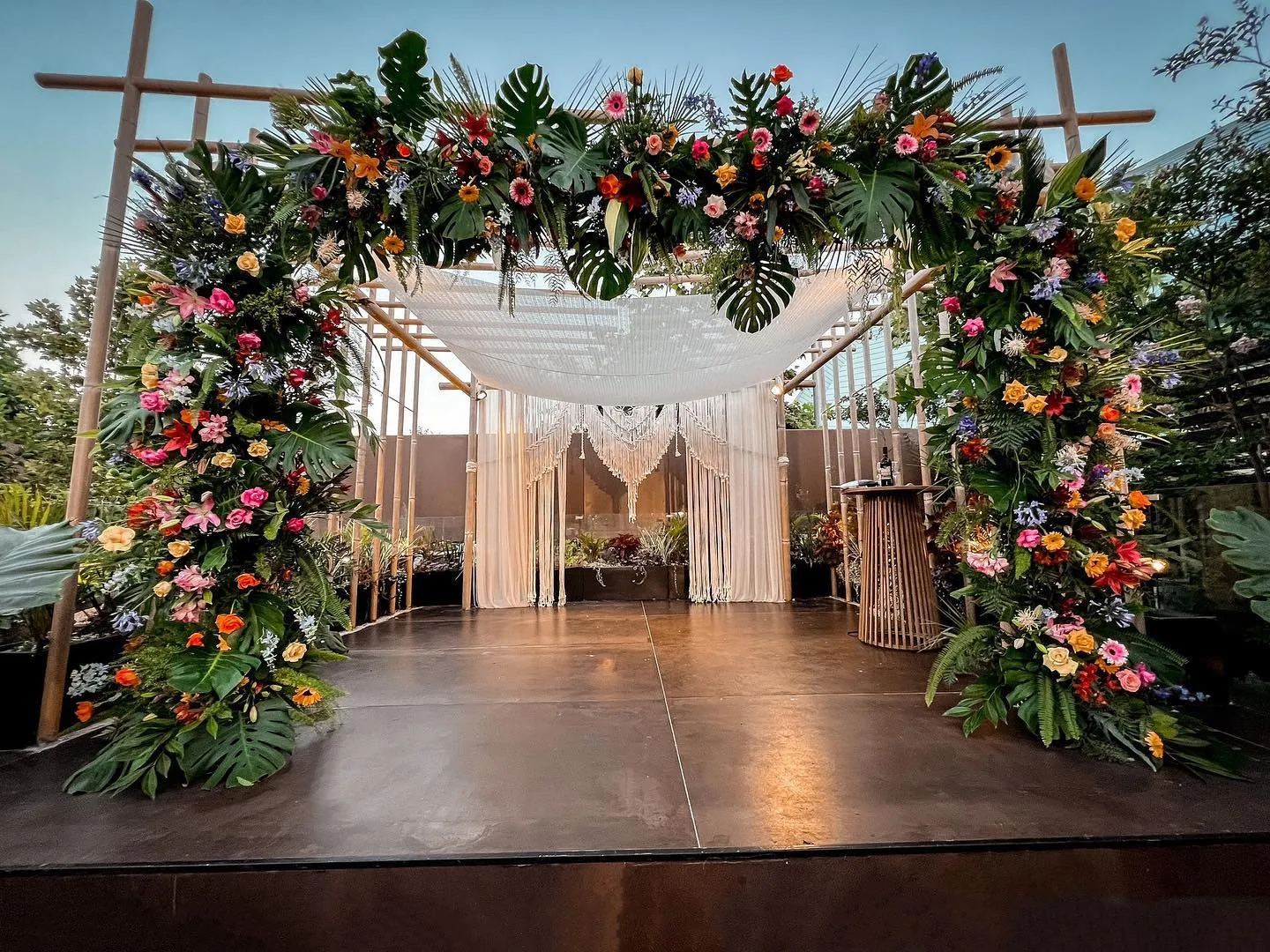
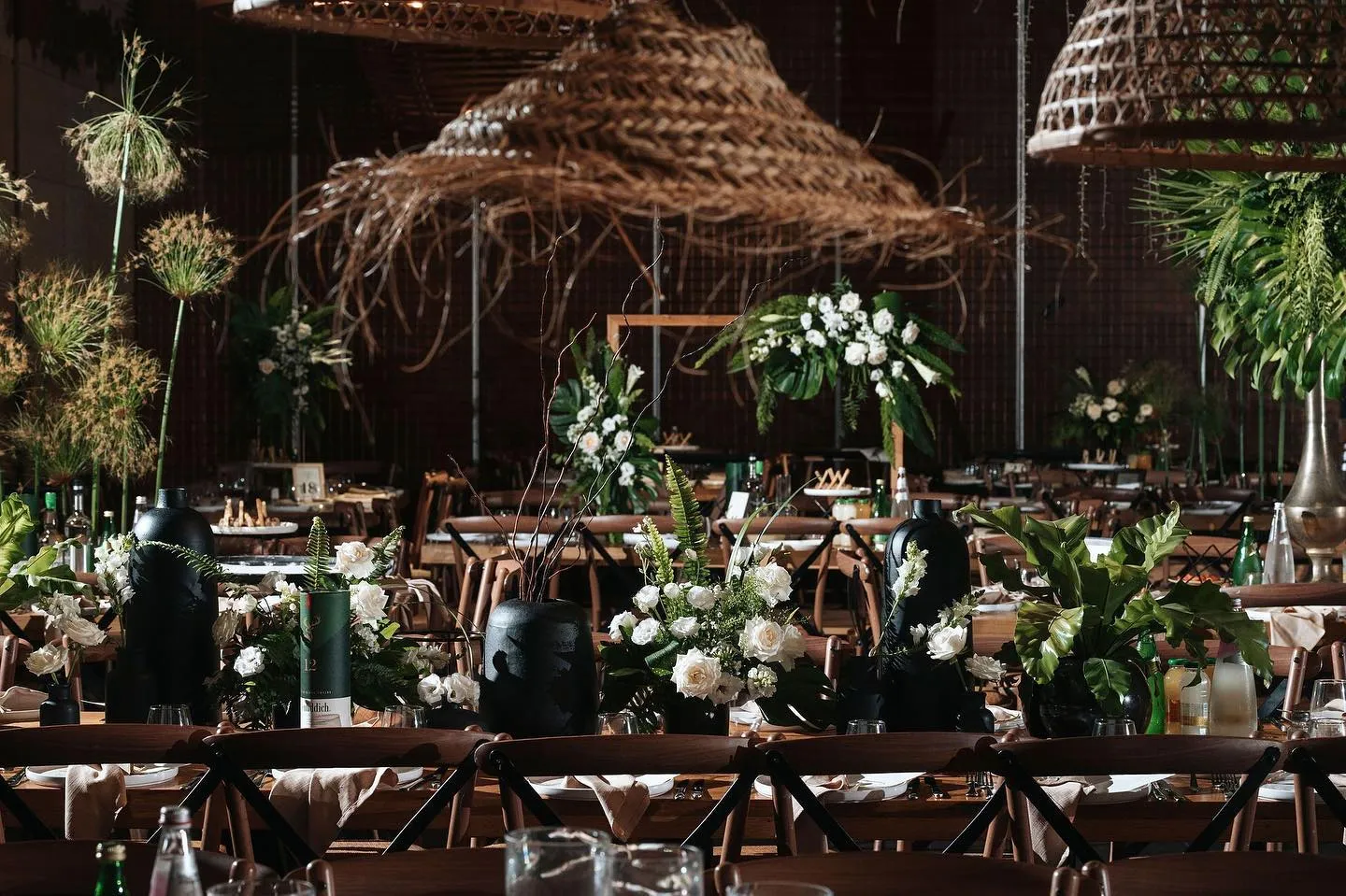
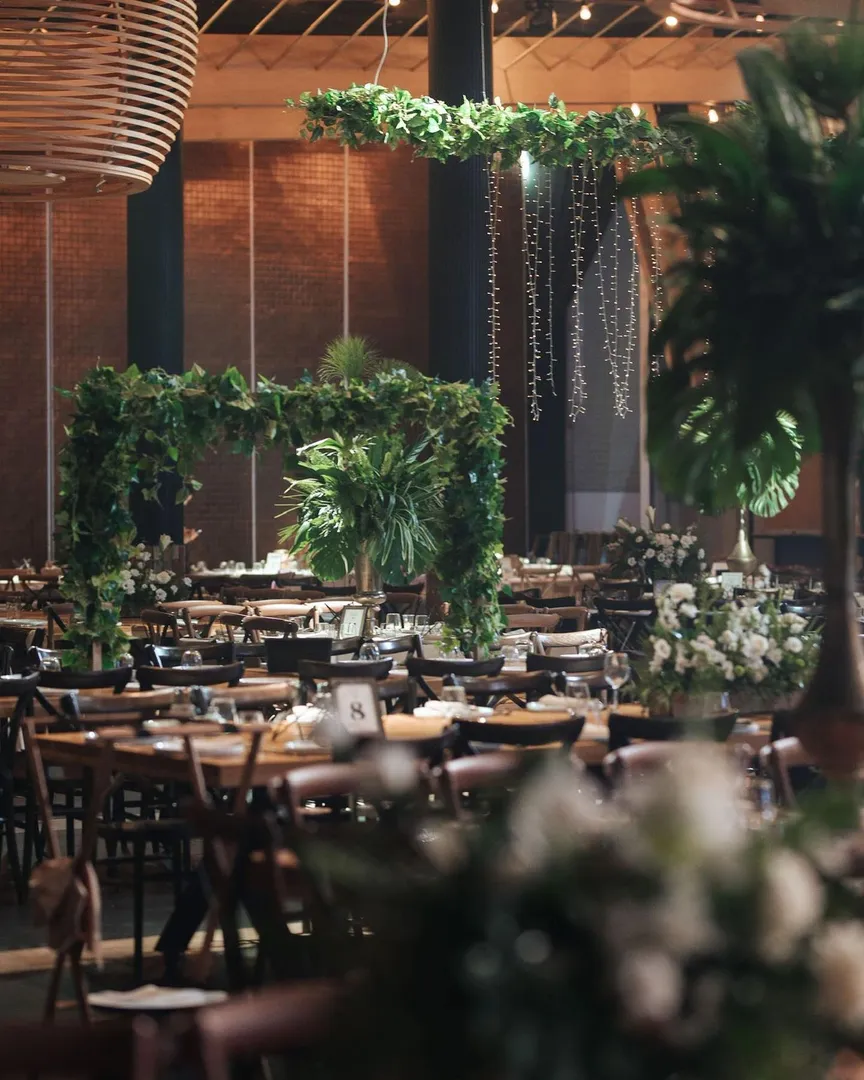
Adam and Eve Events
אדם וחווה - מתחם אירועים
Haifa, Haifa District
Services & Information
Event Types
Wedding
Discover More
Other options in Reception Halls
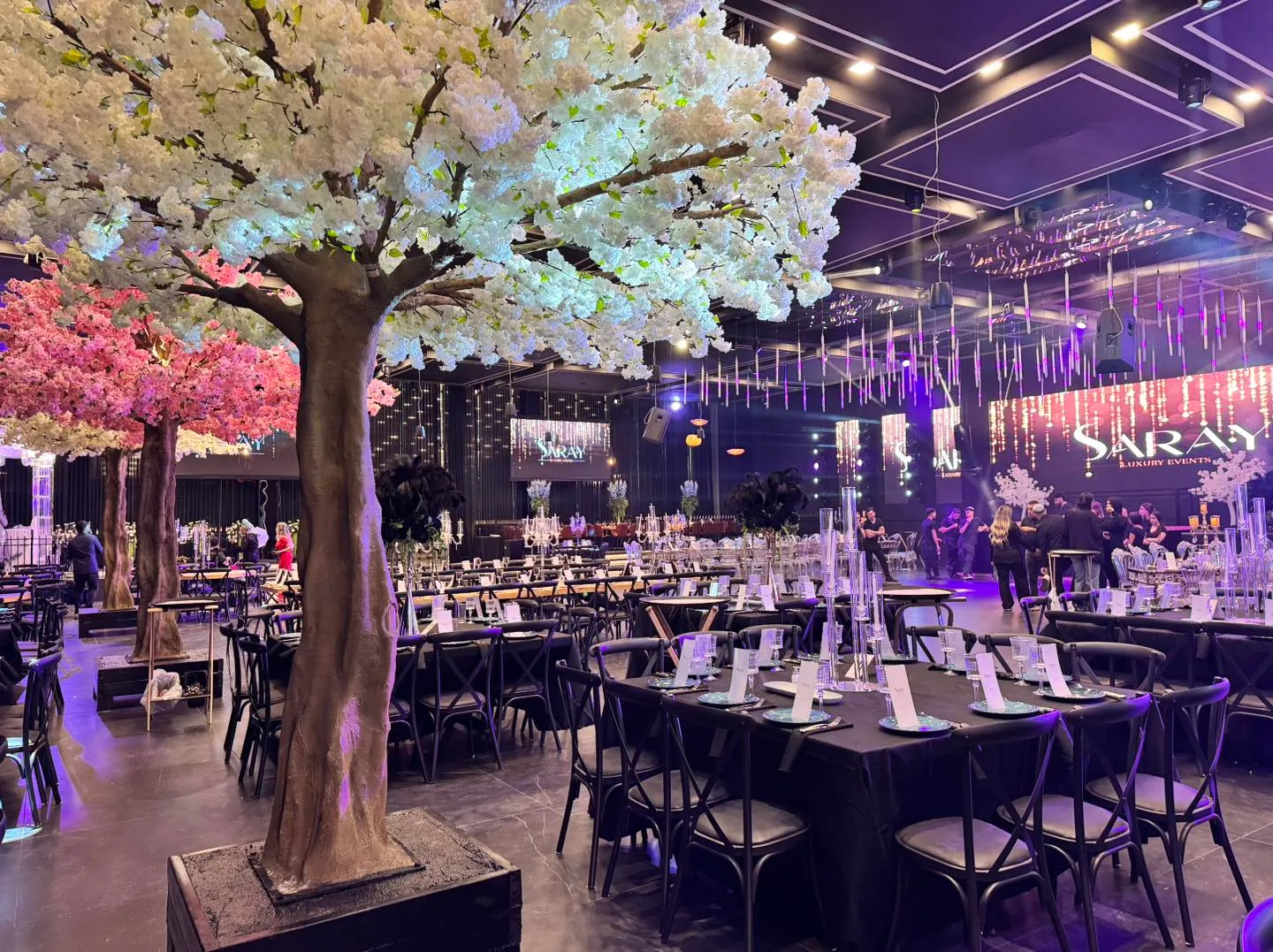
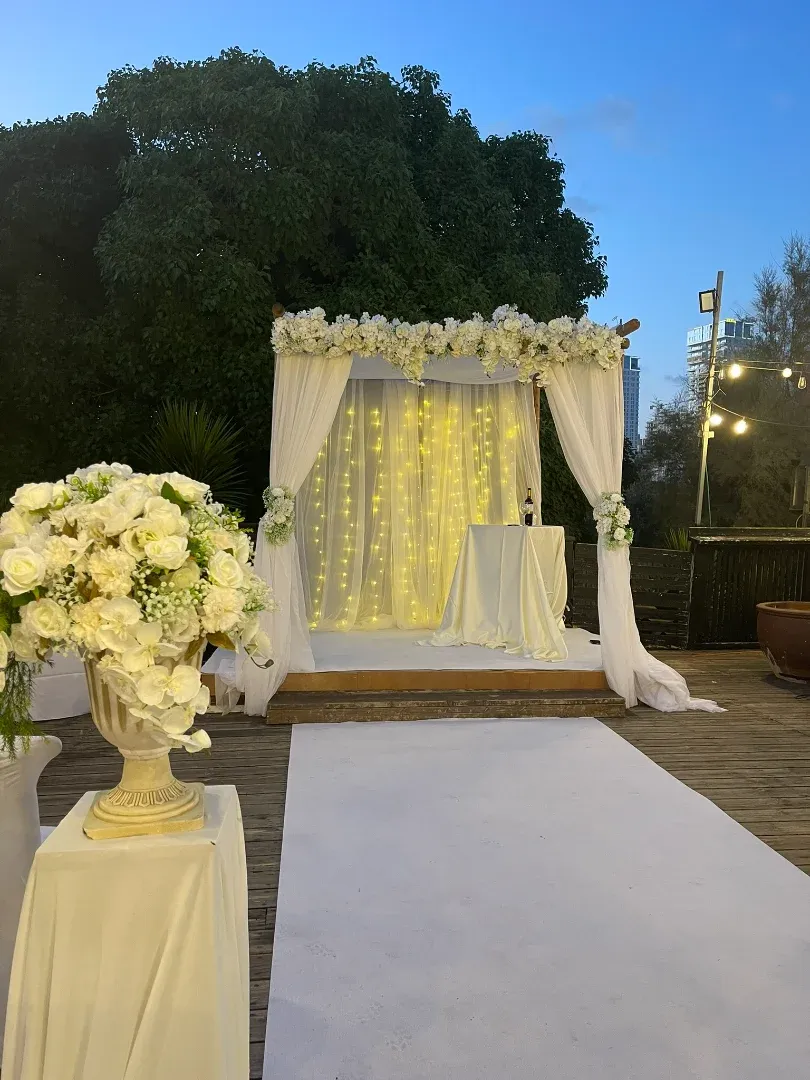
Location
Travels to you
Reviews
New on MazalDay
Be the first to share your experience!
MazalDay Guide – Reception Halls
How do I choose the right reception hall for my wedding in Israel?
Start by defining your guest count, budget, and preferred region. Visit at least 3–5 halls in person, check acoustics, parking capacity, and whether they allow external vendors. Use our venue directory to compare options side by side.
Is it better to choose a hall with an in-house caterer or bring my own?
In-house catering simplifies logistics and may lower costs, but external catering gives you full menu control. If kashrut standards are important, verify the hall’s certification level and whether external mashgichim are permitted.
What red flags should I watch for when choosing a reception hall?
Beware of hidden fees (setup/teardown, corkage, valet), reluctance to show the contract early, lack of liability insurance, poor online reviews, and pressure to sign immediately without a cooling-off period.
Are outdoor reception halls suitable for summer weddings in Israel?
Summer evenings in Israel are pleasant but daytime heat can be intense. Look for venues with shaded areas, fans or misting systems, and air-conditioned indoor backup. Coastal venues benefit from sea breezes.
What is the difference between an event hall and a banquet hall?
In Israel, ‘event hall’ (ulam erua’im) is a general term. Banquet halls typically focus on sit-down meals, while some event halls also accommodate standing cocktail formats. Clarify the layout options with the venue.
Is this your business?
Claim this profile to manage it, update information and respond to reviews.