
PremiumCertifiedTravels to you
Eataly Pizza
Eataly Pizza
Petah Tikva, Central District
About
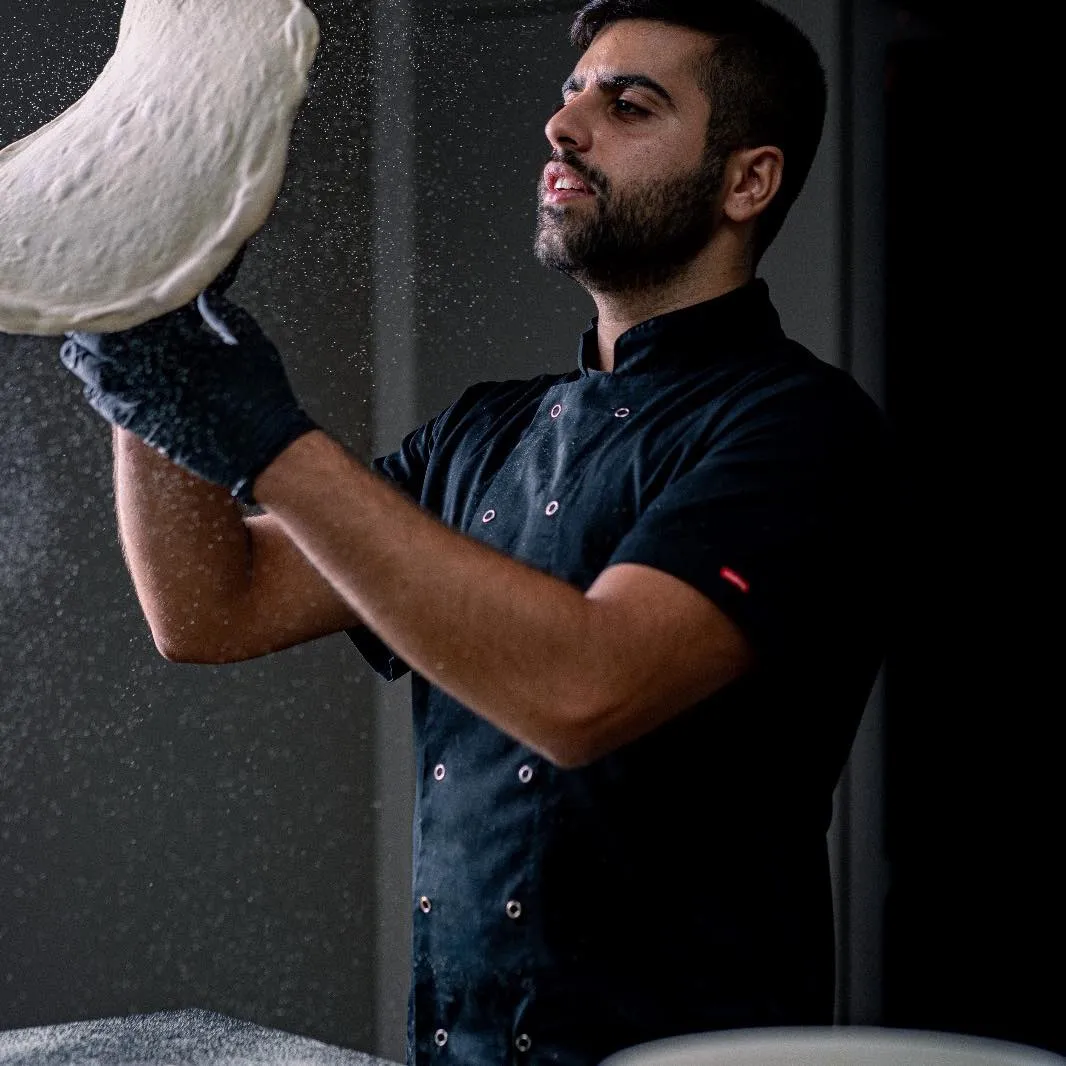
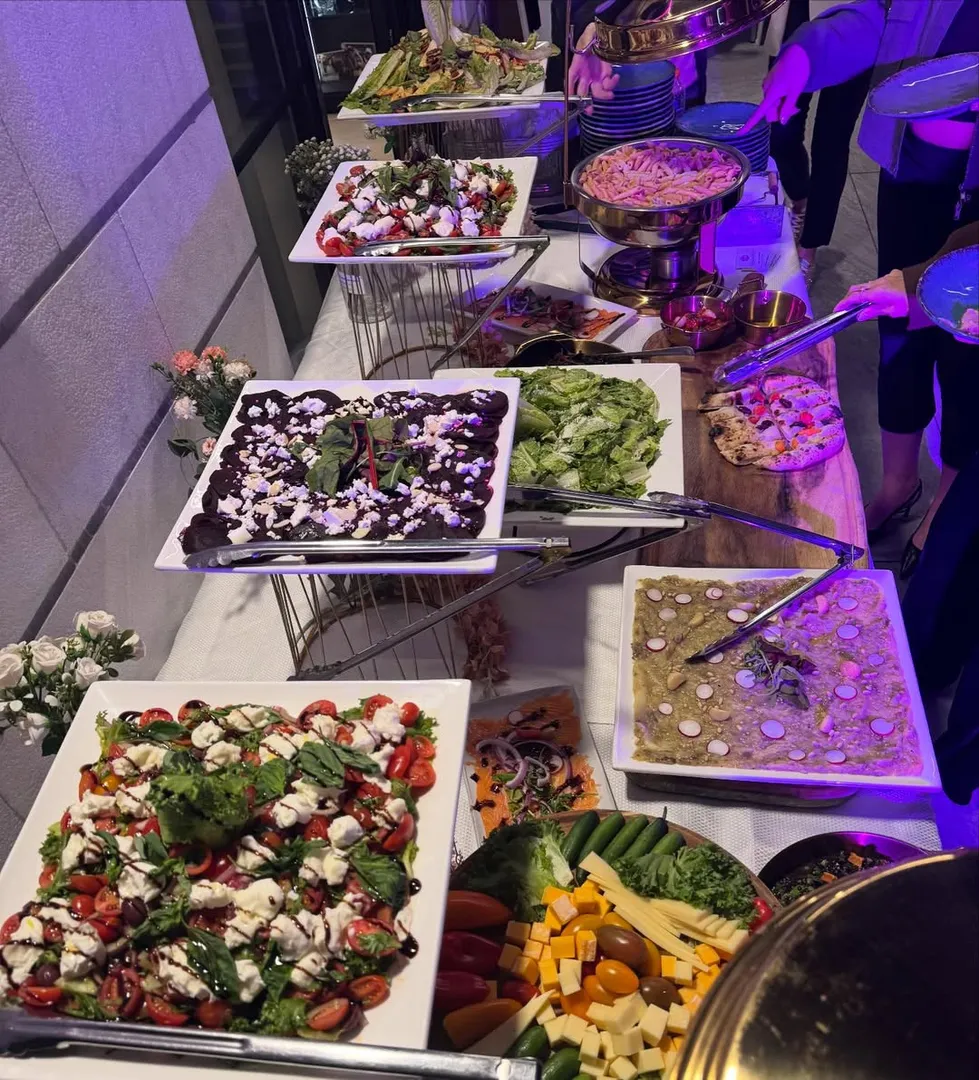
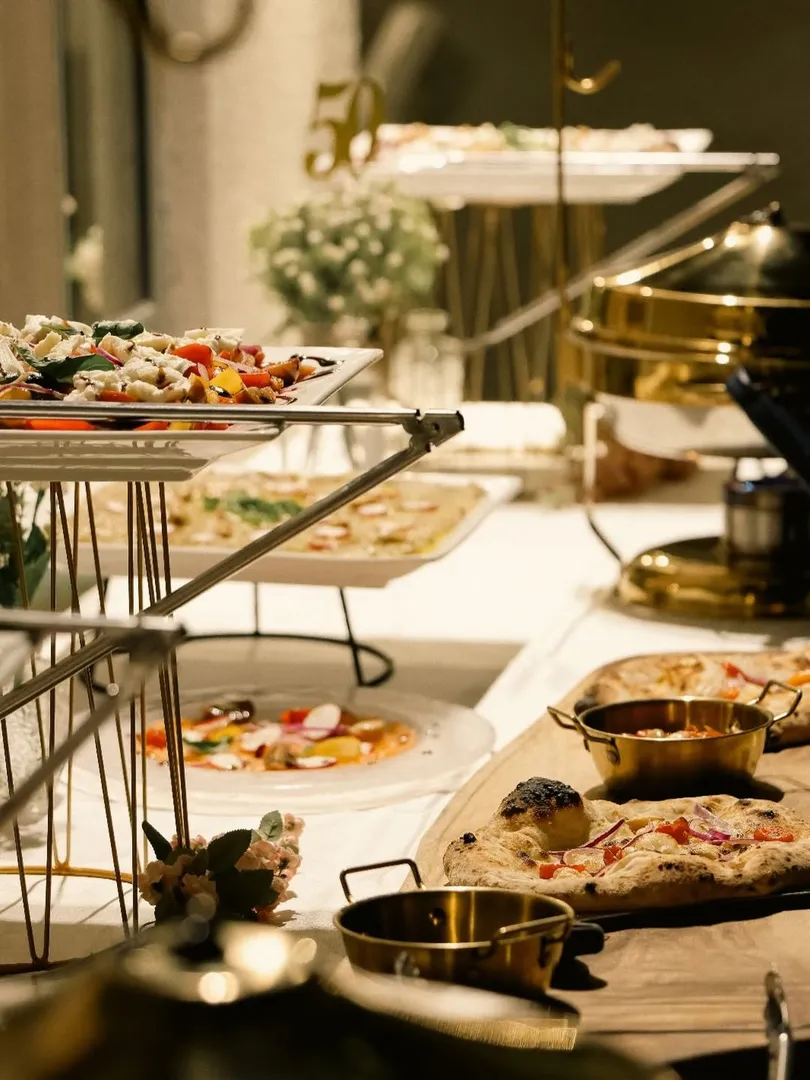
Chef events in Italian style for all types of events 🍝🍕 *Rabbinical kosher* To reserve your next event - 0525253542
Location
Travels to you
Reviews
New on MazalDay
Be the first to share your experience!
MazalDay Guide – Catering
How do I choose a caterer for my event in Israel?
Consider the kashrut level you need, the cuisine style (Ashkenazi, Sephardi, fusion, international), your budget per plate, and the caterer’s experience with your event size. Always do a tasting before signing. Explore options in our venue directory.
What is the difference between buffet and plated service?
Buffet service is more social and cost-effective for large groups, offering variety. Plated service is more elegant and controlled, ideal for formal weddings. Family-style (shared platters) is a popular Israeli middle ground.
What catering trends are popular in Israel for 2026?
Interactive food stations (sushi rolling, pasta bars), plant-based menus, Middle Eastern fusion with Asian influences, artisanal cocktail bars, and zero-waste catering with locally sourced ingredients are top trends.
How much staff does a caterer need for my event?
A standard ratio is 1 server per 10–15 guests for plated service, or 1 per 20–25 for buffet. For premium service, request a higher ratio. Confirm the number of bartenders, kitchen staff, and a floor manager.
Do caterers provide table settings and serving equipment?
Many full-service caterers include china, glassware, linens, and cutlery. Others provide disposable premium options. Clarify exactly what’s included versus what requires separate rental.