


VerifiedTravels to you
Yarok al haMayim
ירוק על המים
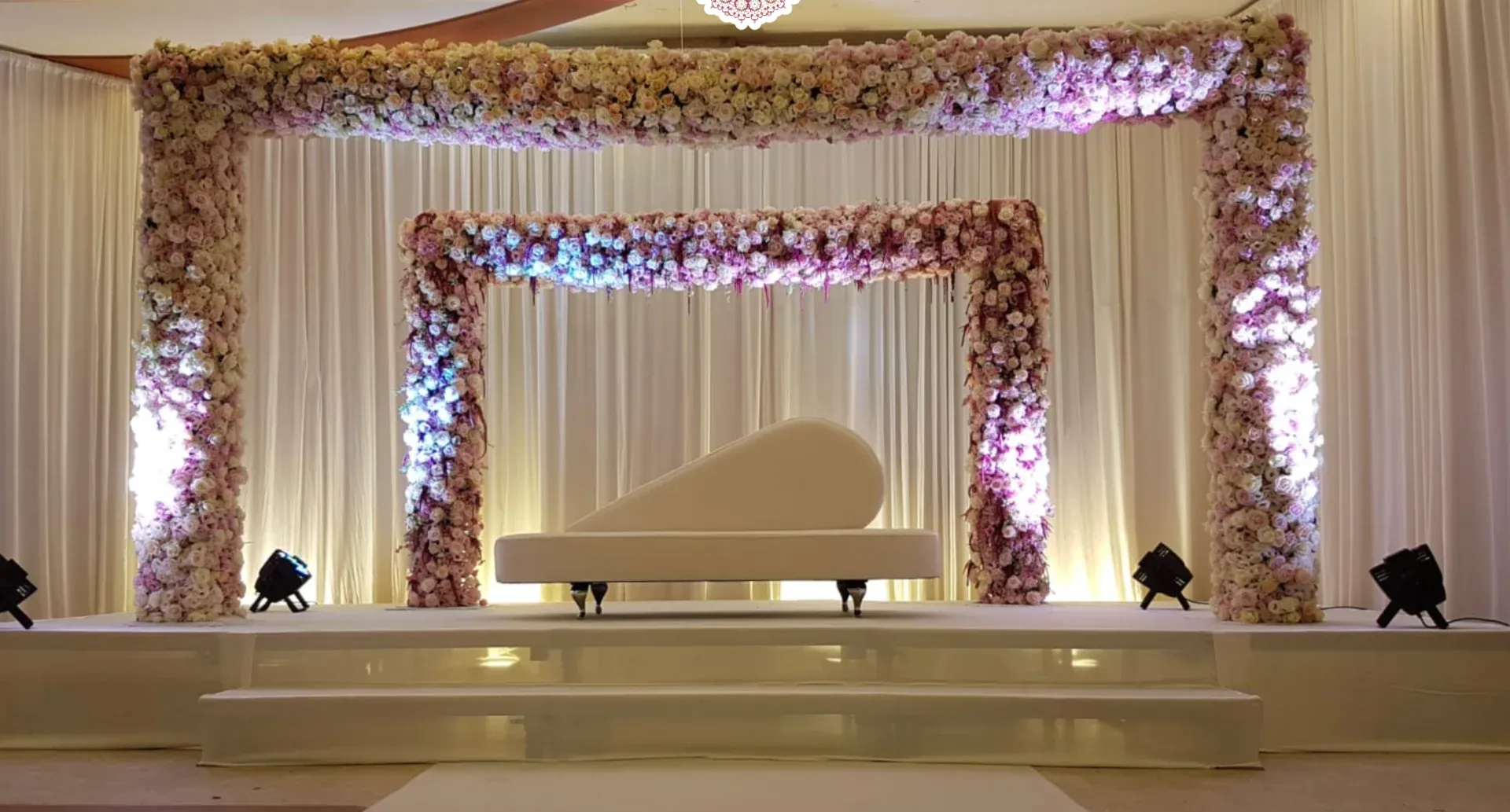
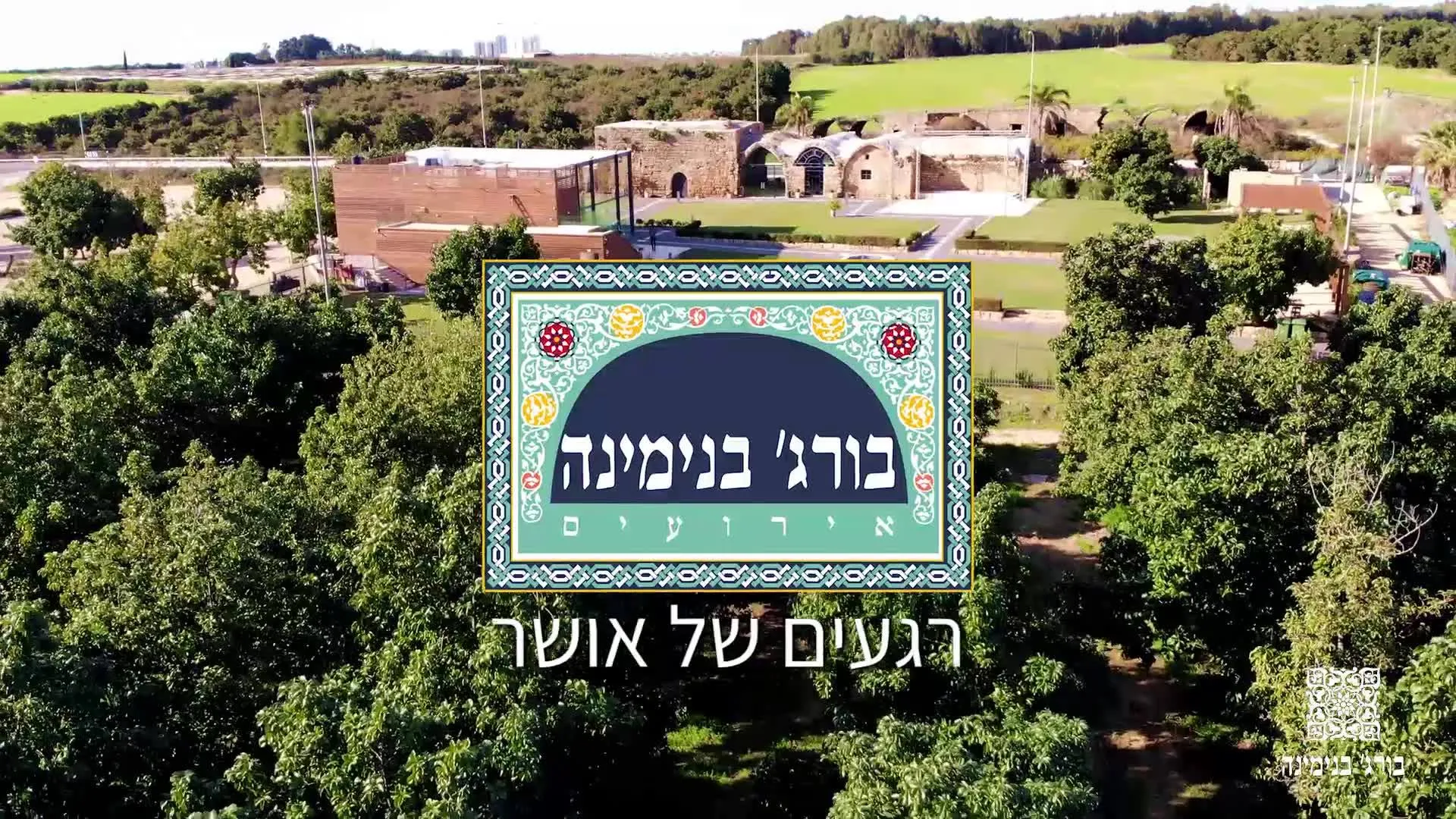
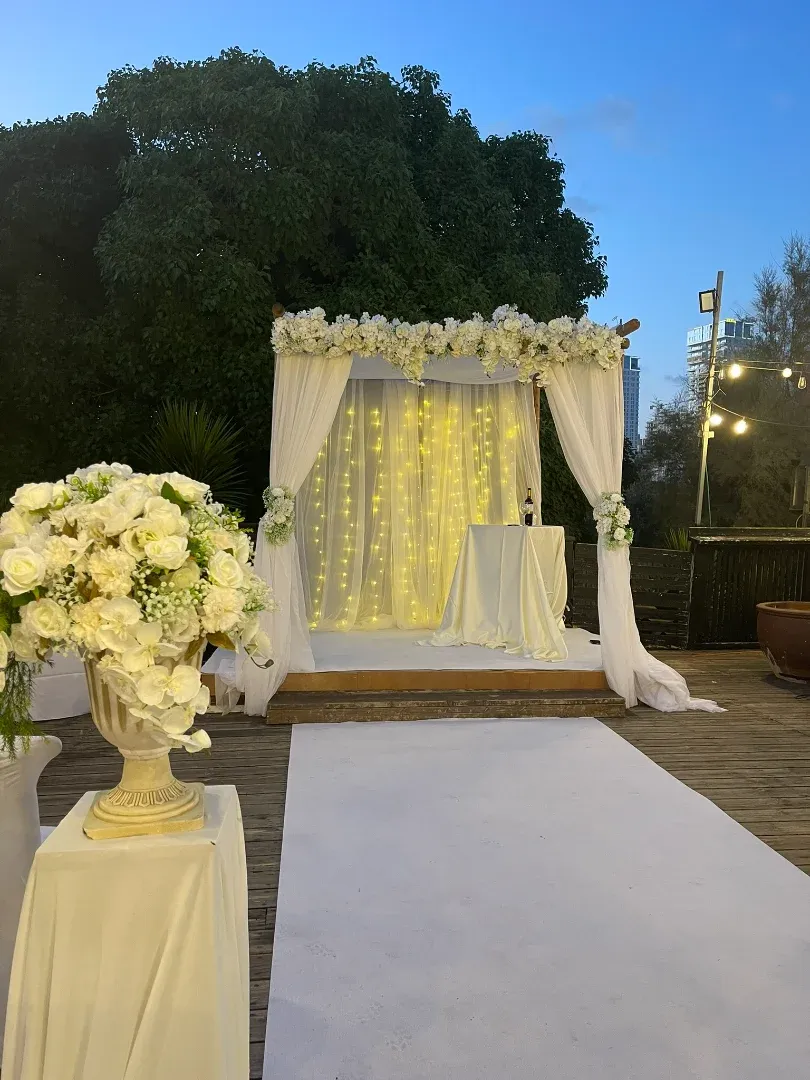
"Green event garden on the water - Kibbutz Hulda"
Services & Information
Event Types
WeddingBar MitzvahBat Mitzvah
Languages Spoken
HebrewEnglish
Discover More
Other options in Reception Halls

Reviews
New on MazalDay
Be the first to share your experience!
MazalDay Guide – Reception Halls
How do I choose the right reception hall for my wedding in Israel?
Start by defining your guest count, budget, and preferred region. Visit at least 3–5 halls in person, check acoustics, parking capacity, and whether they allow external vendors. Use our venue directory to compare options side by side.
Is it better to choose a hall with an in-house caterer or bring my own?
In-house catering simplifies logistics and may lower costs, but external catering gives you full menu control. If kashrut standards are important, verify the hall’s certification level and whether external mashgichim are permitted.
What red flags should I watch for when choosing a reception hall?
Beware of hidden fees (setup/teardown, corkage, valet), reluctance to show the contract early, lack of liability insurance, poor online reviews, and pressure to sign immediately without a cooling-off period.
What is the standard contract structure for a reception hall in Israel?
Contracts typically require a 10–20% deposit at signing, a second payment 3 months before the event, and the balance 7–14 days prior. Ensure cancellation terms, force majeure clauses, and final guest count deadlines are clearly stated.
How do I compare reception halls effectively?
Create a spreadsheet with columns for price per plate, minimum guests, included services (DJ, flowers, photographer), venue ambiance, parking, accessibility, and contract flexibility. Our checklist can help you track all criteria.
Is this your business?
Claim this profile to manage it, update information and respond to reviews.